Richard Goldenberg

August 2026 - Wise Bug
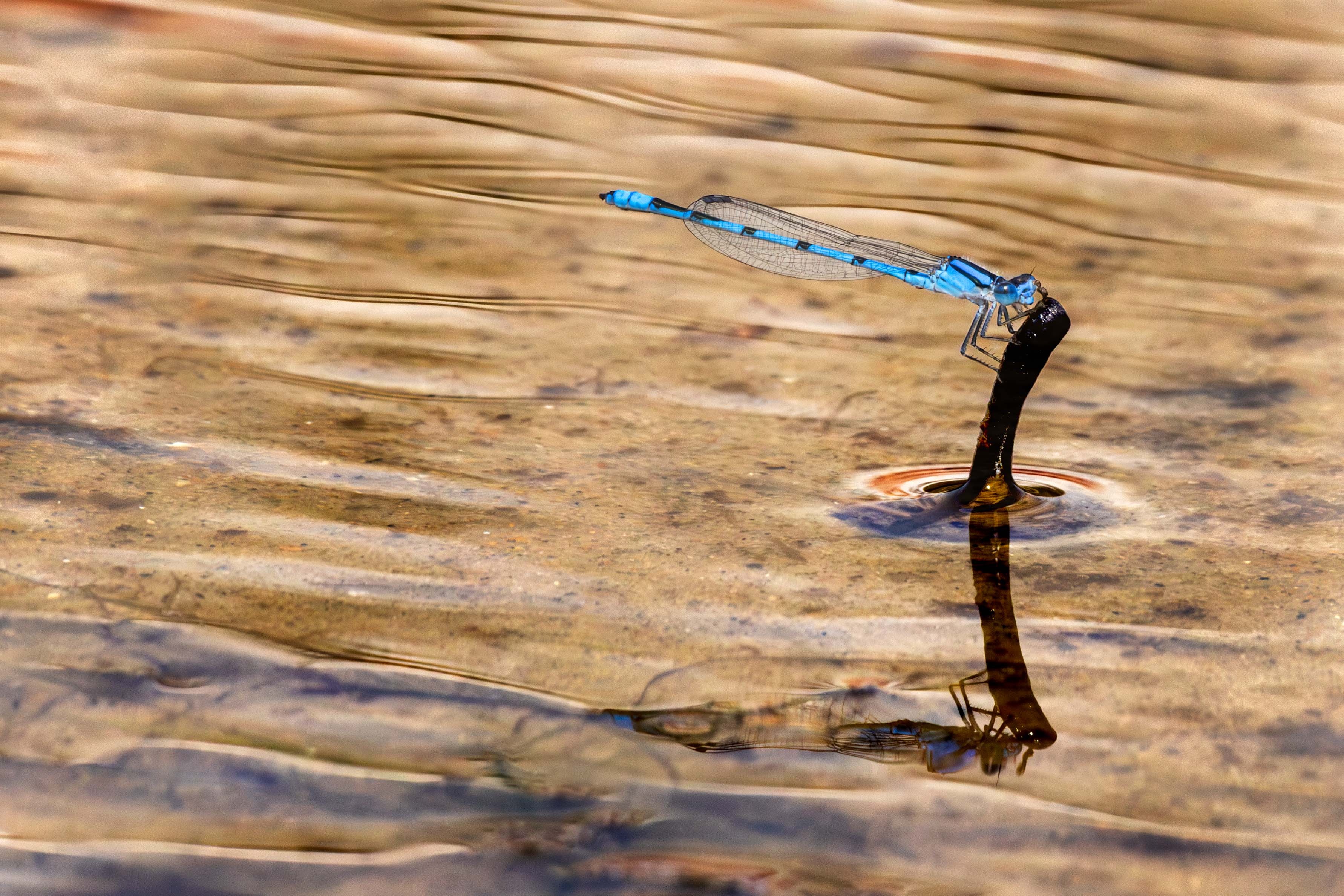
Original
About the Image(s)
I took this photo on July 11, 2026. Maria Mazo has been inspiring me for months to try some macro photography. I even bought a Sony macro lens to use with my A1. But this photo wasn't taken with any of that. The only equipment I had with me was my Canon R7 and a 100-400 mm lens. Not what I think of as macro equipment, but it seemed to do the job here. When I look at this photo, I usually zoom way in on the eyes and mouth - this Dragonfly looks very wise.
Settings were 1/2,500 s (it kept moving), f/11, and ISO of 2500. Lens was set at 400 mm and I was as close as I could get without losing focus.
The "Original" was taken from a little bit further away.
4 comments posted
Richard, Your equipment and what you did with it to capture this image more than did the job! The lighter and blurred background makes for a perfect setting for the colors of the lovely dragonfly to really pop. The level of details in the see-through wings, the head, yes, the large multi-faceted eyes and the mouth, the body and the legs with all the tiny hair is incredible. Great job. Posted: 08/06/2026 20:05:34
You've been very successful here Richard! Good technique - perfectly parallel to your subject. My only suggestion would perhaps darken a background mask somewhat - I very much like what I think you have done in PP by making the background more diffused, which very much helps to show off the detail of your dragonfly, but I think a little darker my help. Up to you. Posted: 08/08/2026 21:26:51
Richard, good catch. This is not a dragonfly, they have 4 wings. This is a Damselfly. It is sharp and nicely placed on the tip of the stick in the water. Posted: 08/23/2026 00:45:43
Hi Richard,
I love damselflies! I also like to photograph them with my long lens because you don't need to get too close, so they tend to stay in place for longer and you have more opportunities to get a great image.
Your image is pin-sharp, allowing us to appreciate the fine details of the damselfly and its beautiful blue and cyan tones. A long lens used wide open creates a lovely background bokeh, and if you position yourself parallel to the subject, you can capture all its details against that beautifully blurred background. Posted: 08/24/2026 12:45:54
I love damselflies! I also like to photograph them with my long lens because you don't need to get too close, so they tend to stay in place for longer and you have more opportunities to get a great image.
Your image is pin-sharp, allowing us to appreciate the fine details of the damselfly and its beautiful blue and cyan tones. A long lens used wide open creates a lovely background bokeh, and if you position yourself parallel to the subject, you can capture all its details against that beautifully blurred background. Posted: 08/24/2026 12:45:54