Maria Mazo, PPSA
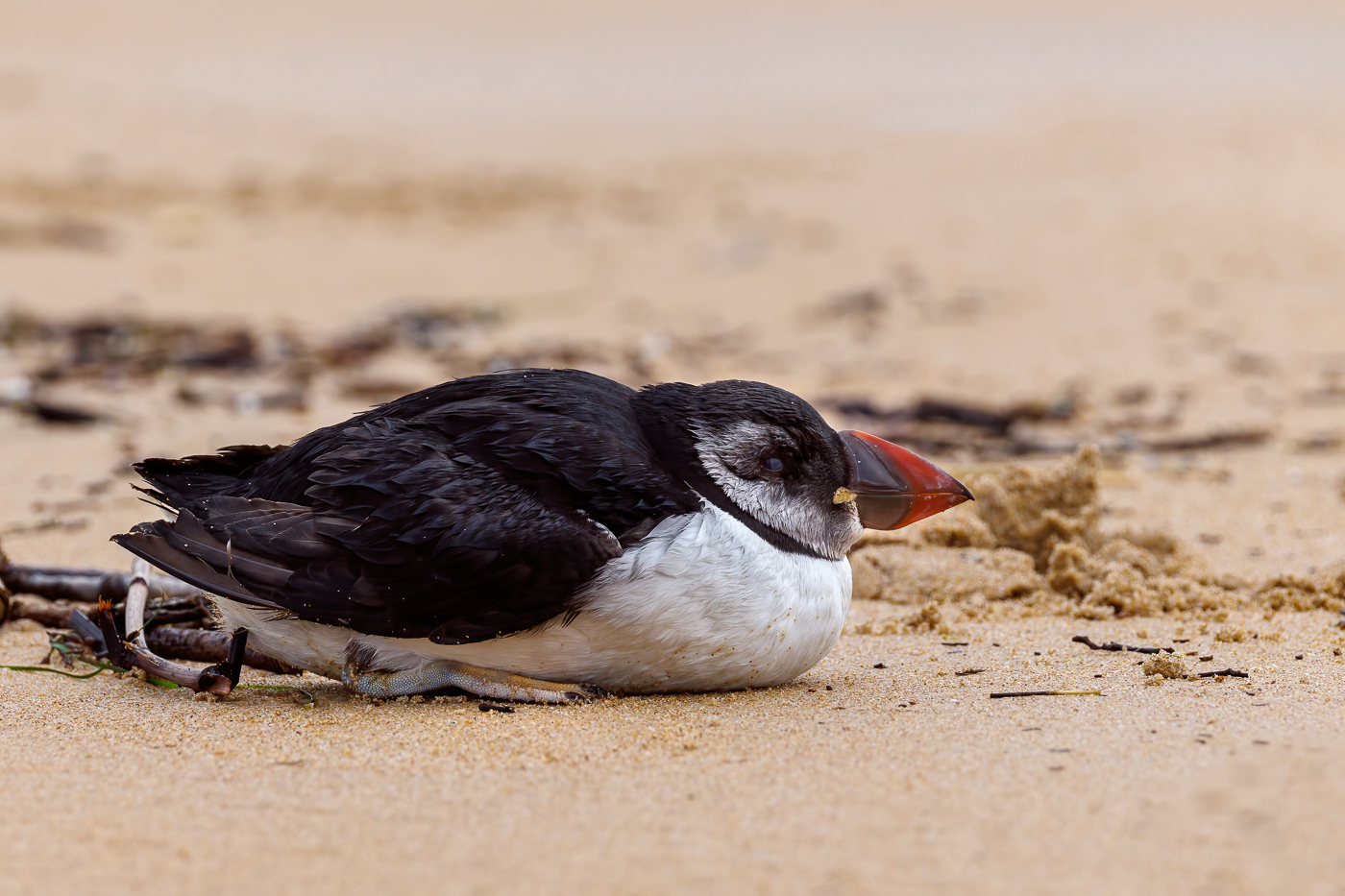
April 2026 - Puffin
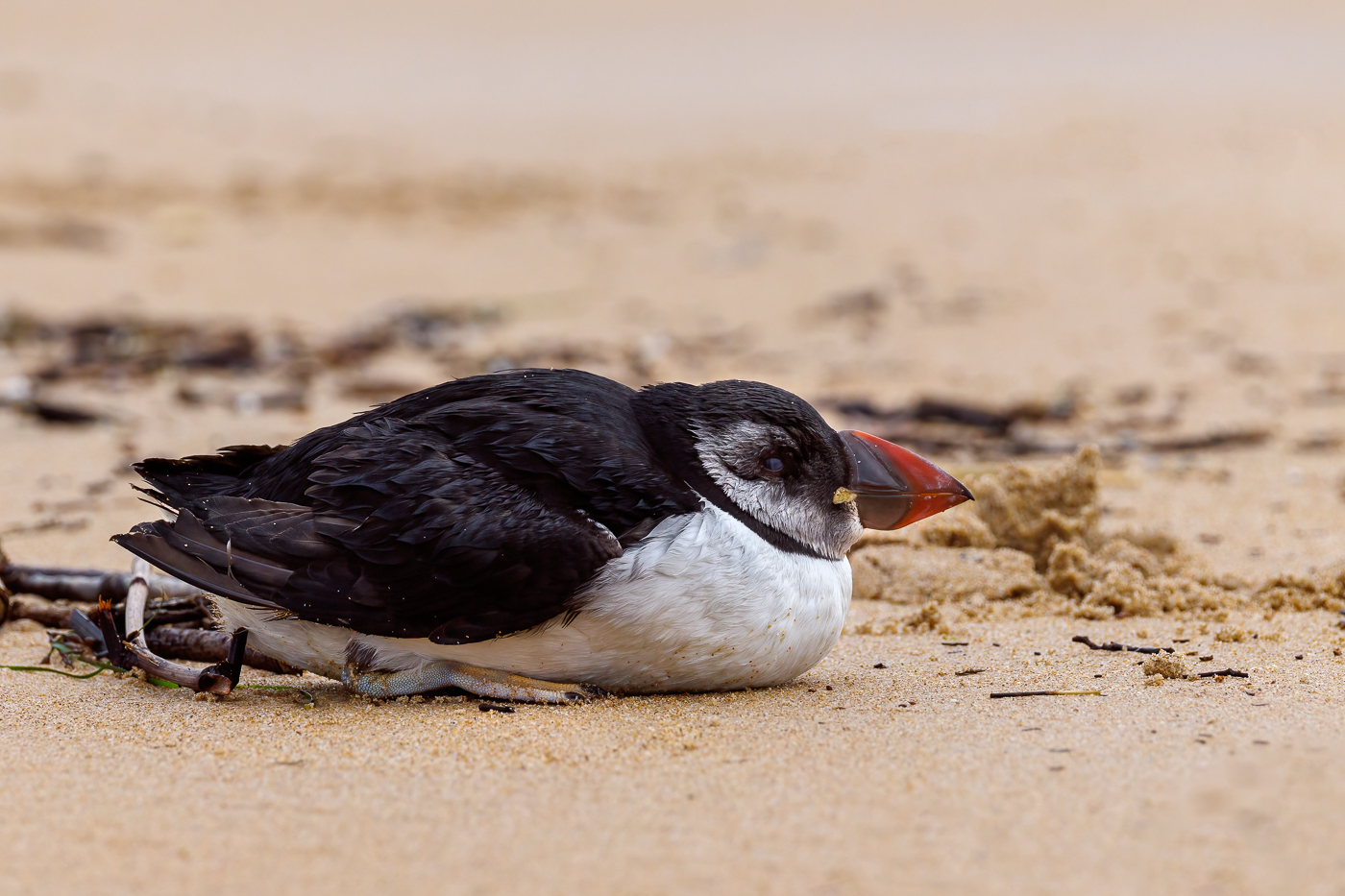
Original
About the Image(s)
During the month of February, several Atlantic storms affected the north of Europe. As a result, birds that are not usually seen in the north of Spain appeared along the beaches. Many of them were found dead, although a few were still alive. Rescue organisations such as SEO/BirdLife have been working to save them and keep them alive. However, one of the main challenges they faced was feeding the birds, as many refused to eat. The survival rate has been very low, and the birds that did survive were released once they regained their strength. I photographed this puffin on the beach of my town. It showed signs of fatigue, as it barely moved and remained on the sand even when people were nearby. EXIF data: Shutter speed - 1/500 sec; Aperture - f/9; ISO - 1250. Shot with a Canon body and a 200??“800 mm lens at 570 mm.
6 comments posted
Unfortunately, I don't know what happened with this one. I returned in the afternoon to take a look to see if it was still there, but I couldn't find it, and there was no clue about what might have happened to it. Posted: 04/14/2026 21:07:53
This was my first time seeing a puffin, and as you pointed out, I also had the image in my mind of a bright, colourful beak. However, this one surprised me with the more muted colours in its beak. Apparently, there are different species of puffins, ranging from the more colourful ones to others with more subdued tones. Posted: 04/14/2026 21:12:36
This had to have been very hard to see. Sad that so many are affected by the storms.
You've done a really nice job of capturing it. I like your framing, putting it low with the expanse behind the bird. The eye looks dull, befitting its sad situation. For me there's plenty of detail in the black feathers. Posted: 04/16/2026 17:26:30
I like your image. It's a sad one and thus I feel the image shouldn't be bright and cheerful.
We saw a puffin in the sea on 30 January as our cruise ship (which was delayed day and half leaving South England due to horrendous storms of Spain). Posted: 04/19/2026 07:13:52