Teresa Hofer
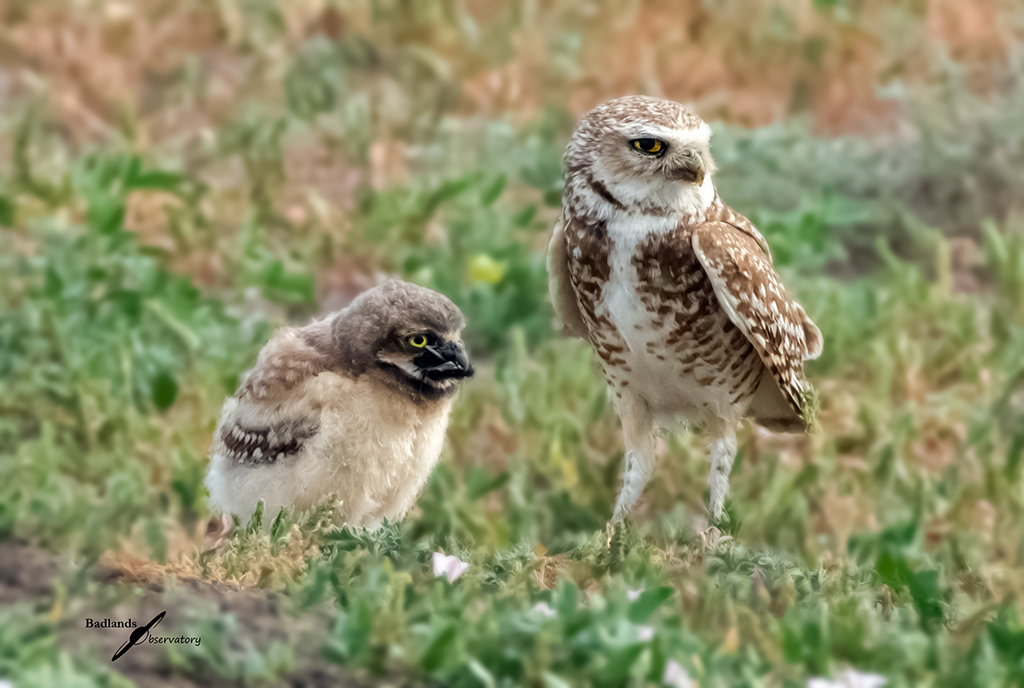
July 2026 - Burrowing Owl Feeding Time
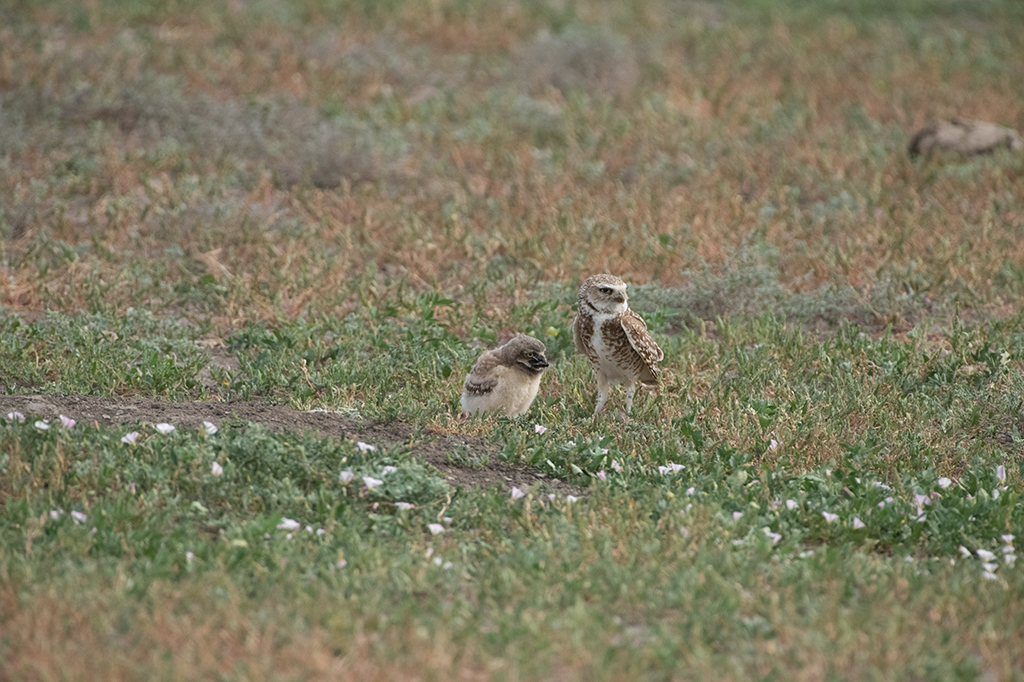
Original
About the Image(s)
Burrowing owls migrate here from Southwestern U.S. and Mexico each year. They begin arriving in March, stealing prairie dog burrows and seting up a breeding nest. Breeding takes place after the females arrive, sometime later. Eggs incubate for about a month, and the hatchlings fledge after about 60 days. The owls born in the North migrate to the South, travelling up to 2,500 miles on their own. This is a photo of an owlet, probably about a month old, taking its prized cricket to the nest, after the food source was delivered by a parent. I took this photo in Badlands National Park on June 22, 2026. It is cropped a ridiculous amount and processed in Photoshop with ACR and by isolating the subjects, blurring the background and manually adjusting the mask for a more natural look. EXIF is Nikon D850, Nikkor 200-500 at 500mm with 1.4 TC (700mm); ISO 2500; 1/2500 sec; f/9.
A more personal story.. In 2021, I had the amazing opportunity to assist in the filming of the episode of National Geographic's America's National Parks episode titled Badlands National Park. I was under no illusion that I was tapped because of my talent; the truth is that their original assistant videographer contracted Covid and they needed someone immediately to take his place. Therefore, I was hired as a production assistant. For about 3 weeks, I was on site at 4:30 a.m. with the lead videographer, shot until 10 a.m.; broke until 3:30 p.m., and returned to shoot until around 10 p.m. We filmed the burrowing owls from a hide and shot through a hole in the side. I had never been so close to the little ones as they first emerged from the burrows. The documentary was released in 2024 and at first only streamed on paid services. Now the full episode is available to watch for free on YouTube.
The most incredible part of this experience for me, was working alongside the best of the best. These professionals are sent on location all over the world. They are responsible for getting the footage in all kinds of conditions and situations, some of which are extreme. They deal with weather, equipment, supervising assistants, knowing about the wildlife and environment, and the technical aspects of getting the footage successfully transferred daily. It was enlightening to see, too, how the documentary was story-boarded and brought to life for the viewer. I was exposed to setups and equipment I had never seen before, much less operated; things like an external field monitor and camera track slider. In the end, I got much more than I contributed.. yet they gave me a production credit at the end of the film.
How did this come about? I was contacted after the producers saw me contribute to a Facebook page. I was local, available and had some camera skills. Bottom line.. you never know when and how an opportunity can arise.
As always, your feedback is welcomed!
6 comments posted
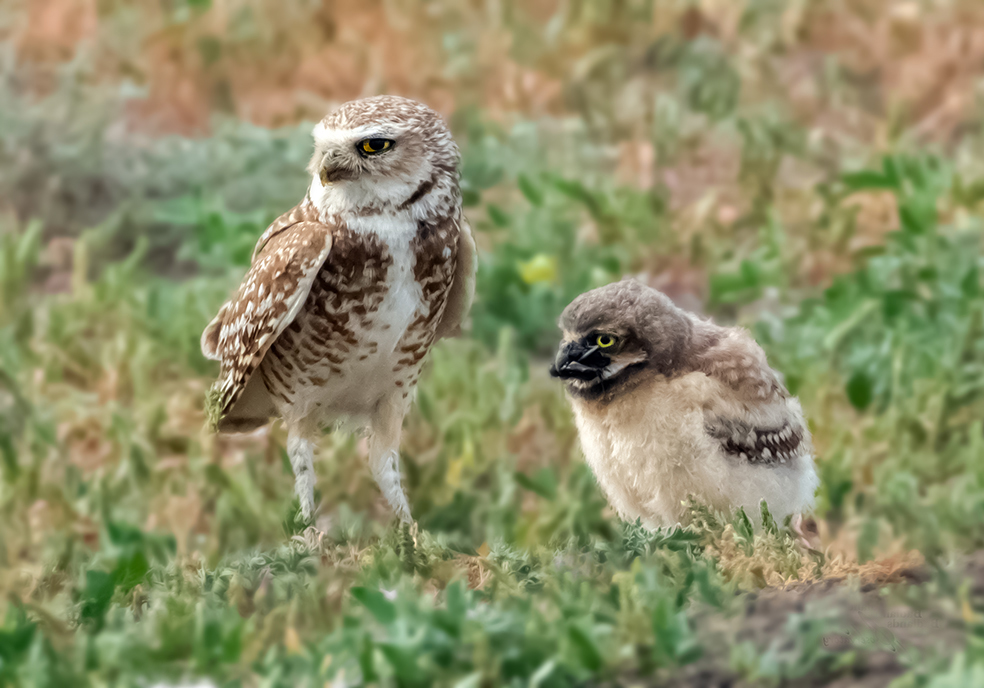
I have no real suggestions but I did try flipping the image both vertically and horizontally. The vertical flip showed me a couple of minor distractions and I actually preferred the horizontal flip but that is a personal preference. Posted: 07/06/2026 02:23:46
It's a pleasure to be able to share with the group and to experience what others see through their photos. Posted: 07/14/2026 00:04:42